
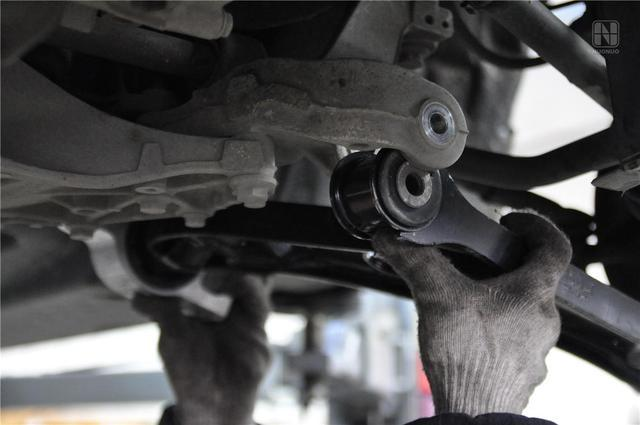
Car bushings are small but essential components in a vehicle’s suspension and steering systems. Typically made of rubber, polyurethane, or a combination of materials, bushings act as cushions between metal parts, reducing vibration, noise, and friction. Despite their importance, they are often overlooked until problems arise. So, how often should car bushings be replaced?
There is no fixed replacement interval for car bushings. Unlike engine oil or brake pads, bushings do not have a strict maintenance schedule. In general, rubber bushings can last anywhere from 80,000 to 150,000 kilometers, depending on driving conditions, climate, and material quality. Polyurethane bushings may last longer but can transmit more vibration.
However, harsh environments—such as rough roads, extreme temperatures, heavy loads, or exposure to oil and chemicals—can significantly shorten their lifespan.
Rather than relying solely on mileage, it is more practical to watch for warning signs, including:
If any of these symptoms appear, it is advisable to inspect the bushings promptly.
Several factors influence how often bushings should be replaced:
Regular inspection is key to extending the life of bushings. During routine maintenance (such as every 20,000–30,000 kilometers), mechanics should check suspension components for wear. Keeping the undercarriage clean and avoiding oil leaks can also help preserve rubber bushings.
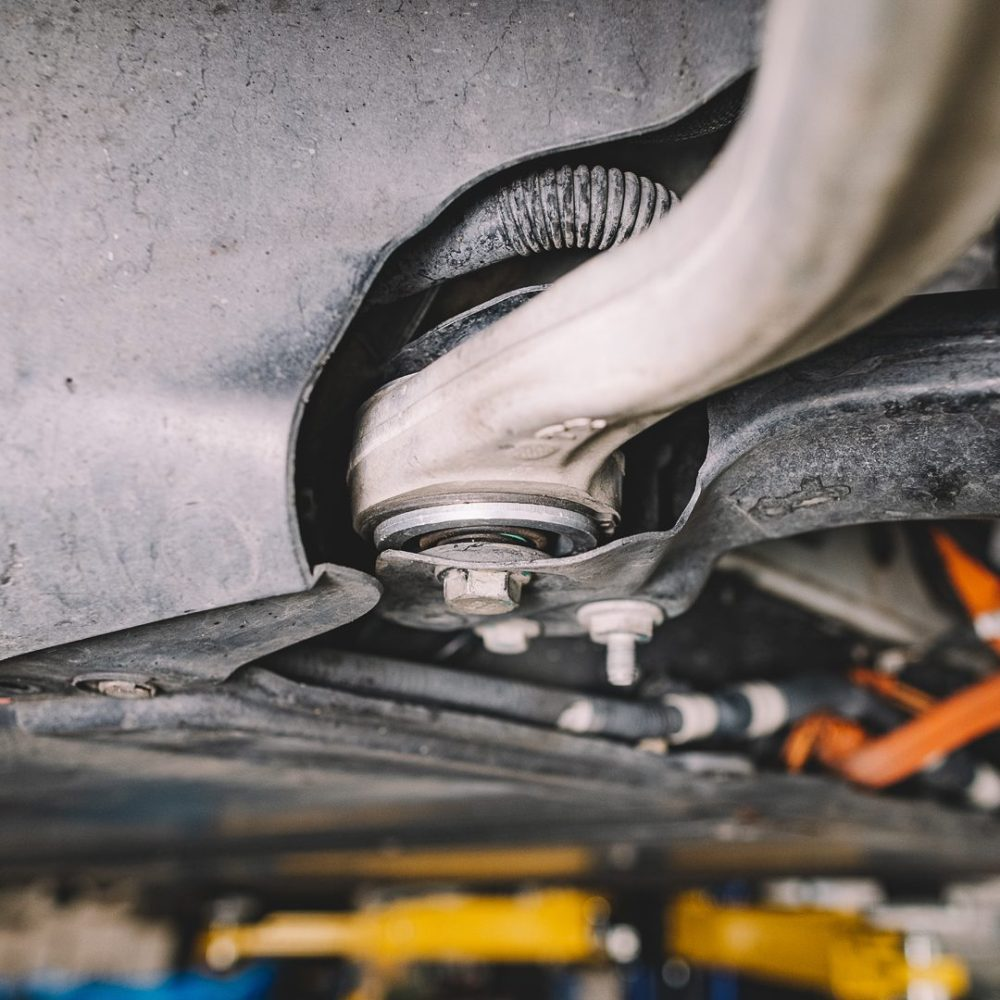
While car bushings do not require frequent replacement on a fixed schedule, they typically last between 80,000 and 150,000 kilometers under normal conditions. The best approach is to monitor symptoms and perform regular inspections. Replacing worn bushings in a timely manner not only improves driving comfort but also ensures vehicle safety and prolongs the lifespan of other suspension components.